CVE-2026-55040: Microsoft SharePoint — Remote Auth Bypass, Data Exposure (July 2026)
CVE-2026-55040 is a high-severity SharePoint vulnerability enabling remote, unauthenticated access and data modification. Patch immediately—exploitation is active.
Threat Intelligence, Defender, Zero-Days & Enterprise Cloud Defense
Microsoft's unified endpoint protection platform combining antivirus, EDR, and threat intelligence. Defender for Endpoint, Identity, Office 365, and Cloud Apps form a comprehensive XDR suite that correlates signals across the entire Microsoft ecosystem.
A cloud-native SIEM and SOAR solution built on Azure. Sentinel ingests data from across hybrid environments, applies AI-driven analytics to detect threats, and automates response through playbooks.
Now part of Microsoft Defender for Cloud, this platform provides CSPM and workload protection across Azure, AWS, and GCP. It continuously assesses configurations, identifies vulnerabilities, and enforces compliance policies.
An AI-powered security assistant that leverages GPT-4 and Microsoft threat intelligence to accelerate incident investigation, threat hunting, and vulnerability analysis. Enables natural-language security queries.

CVE-2026-55040 is a high-severity SharePoint vulnerability enabling remote, unauthenticated access and data modification. Patch immediately—exploitation is active.

CVE-2026-68820 (high severity) enables remote code execution on Windows, exploited in the wild by Lazarus Group. Patch immediately to prevent full system compromise.

CVE-2026-33824, CVE-2026-55040, CVE-2026-59310, and CVE-2026-65400 are critical, actively exploited flaws in Microsoft, VMware, and Apple products enabling remote code execution and device takeover. CISA urges immediate patching by all organizations.

CVE-2026-69414 is a high-severity privilege escalation vulnerability in Microsoft Defender that bypasses the July 2026 RoguePlanet patch. No official fix is available; immediate mitigation is required.

CVE-2026-55040 is a critical authentication bypass in Microsoft SharePoint now under active exploitation. Immediate patching is required to prevent unauthorized data access.

CVE-2026-56164 and CVE-2026-50522 are high-severity Microsoft SharePoint vulnerabilities exploited in July 2026 to compromise 200 Swiss government accounts. Immediate patching is mandatory.

CVE-2026-50522 is a high-severity Microsoft SharePoint vulnerability exploited in July 2026 to compromise 200 Swiss federal IT accounts. Patch immediately to prevent further breaches.

CVE-2026-42897 is a critical Microsoft Exchange cross-site scripting flaw enabling persistent mailbox compromise. Exploited in the wild; patch immediately.

CVE-2026-42897 is a critical zero-day in Microsoft Exchange Outlook Web Access exploited in the wild to deploy persistent backdoors. Immediate patching is mandatory.

CVE-2026-42897 is a critical zero-day in Microsoft Exchange OWA exploited in the wild for persistent mailbox access. Patch immediately to prevent credential theft.

CVE-2026-58644 is a critical SharePoint vulnerability enabling remote code execution, now under active exploitation. Immediate patching is mandated by CISA.

CVE-2026-56164 and CVE-2026-56155 are critical Microsoft zero-days under active attack, enabling privilege escalation in SharePoint Server and AD FS. Immediate patching is mandatory due to confirmed exploitation.

CVE-2023-52271, CVE-2025-61155, and CVE-2025-1055 (high severity) enable stealthy C2 traffic via Microsoft Teams TURN relays. Immediate review and patching are critical.

CVE-2026-50656 is a high-severity zero-day in Microsoft Defender enabling SYSTEM-level privilege escalation. Patch ETA pending; immediate mitigation required.

CVE-2023-24932 (high severity) enables stealthy remote access on Windows via kernel-level malware. Active exploitation reported; patch immediately.

An unnamed US services firm suffered a critical ransomware attack by DragonForce, resulting in data encryption and exfiltration. The attackers leveraged Microsoft Teams relay servers for covert command-and-control.

CVE-2023-24932 (high severity) enables stealthy backdoor access on Windows via malicious kernel drivers, actively exploited by China-linked actors. Patch or isolate affected systems immediately.

An unnamed major U.S. services company suffered a critical ransomware attack by DragonForce, who leveraged Microsoft Teams TURN relays to hide command-and-control traffic. Attackers exfiltrated data and encrypted systems using custom malware and BYOVD techniques.

Microsoft is revising its Edge browser’s password management to avoid storing all credentials as plaintext in memory at startup, improving protection against memory scraping attacks.

A misconfigured Microsoft Entra ID role allowed privilege escalation via service principal ownership. This cybersecurity report explains risks and mitigation steps for CISOs.

Microsoft Defender demonstrates robust protection of critical assets during real-world cyberattacks, providing CISOs vital insights into strengthening cloud security postures.

Microsoft's latest security enhancements leverage autonomous defense in Defender combined with expert-led services, enabling CISOs to scale operations and improve threat response efficiency.

Microsoft has released a new e-book on Security Exposure Management that empowers CISOs to adopt proactive defense strategies. The guide highlights best practices for reducing security risks effectively.

Microsoft's February Patch Tuesday resolves 59 CVEs, including six zero-days actively exploited in the wild. CISOs should act quickly.

A new Microsoft study reveals how a single adversarial prompt can fully bypass the safety alignment of large language models. CISOs must assess AI risk posture.

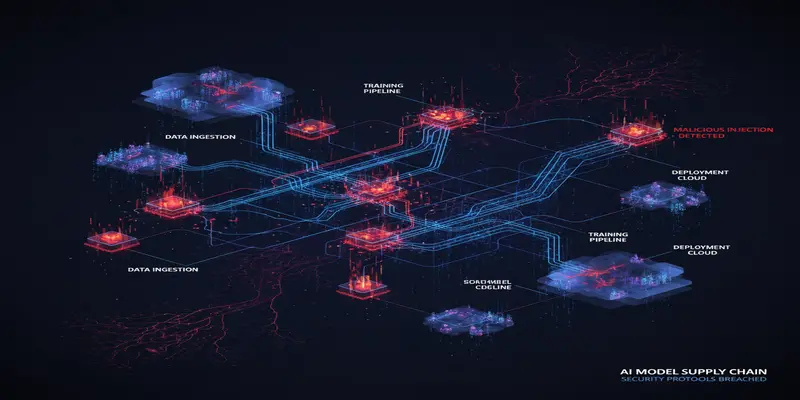
Microsoft researchers uncovered attacker-manipulated AI models with embedded backdoors, posing serious supply chain risks. CISOs must act now.

Microsoft is using generative AI to turn raw threat reports into immediately actionable detection rules. CISOs must adapt their detection lifecycle strategy.

Microsoft unveils a new AI agent framework aimed at transforming enterprise cybersecurity posture. CISOs must reexamine operational defense strategies now.

A newly disclosed exploit known as Reprompt leverages Copilot session hijacking to inject attacker-controlled prompts via URLs. CISOs should assess Copilot exposure risks now.

Microsoft has expanded its Incident Response offerings to include proactive advisory services aimed at operational readiness. CISOs should align strategy fast.
Ransomware campaigns targeting enterprise environments
View ArticlesActively exploited vulnerabilities and mitigation strategies
View ArticlesCloud platform threats and security posture management
View ArticlesAI-driven threats, LLM security risks, and defenses
View Articles