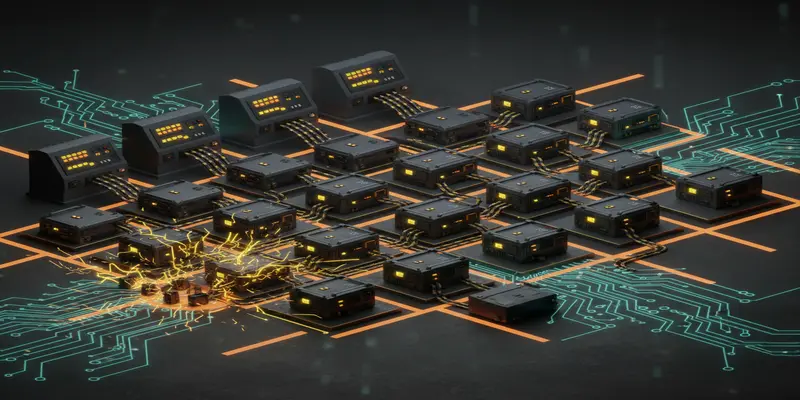
Portable Power Stations Raise New OT Safety Concerns
Budget power stations, often deployed across industrial operations, pose overlooked risks. CISOs must reassess OT expansion safeguards.
Feb 1, 20265 min read
Supply chain attacks compromise trusted software and hardware to infiltrate downstream targets. This section tracks supply chain compromises, dependency hijacking, and third-party risk incidents that affect enterprise security postures.
20 articles
Budget power stations, often deployed across industrial operations, pose overlooked risks. CISOs must reassess OT expansion safeguards.
Germany's government is signaling a policy shift toward proactive cyber retaliation against foreign adversaries. CISOs should reassess their posture and readiness.
With the proliferation of rechargeable devices in enterprise environments, lithium battery hazards are an overlooked safety and security threat.
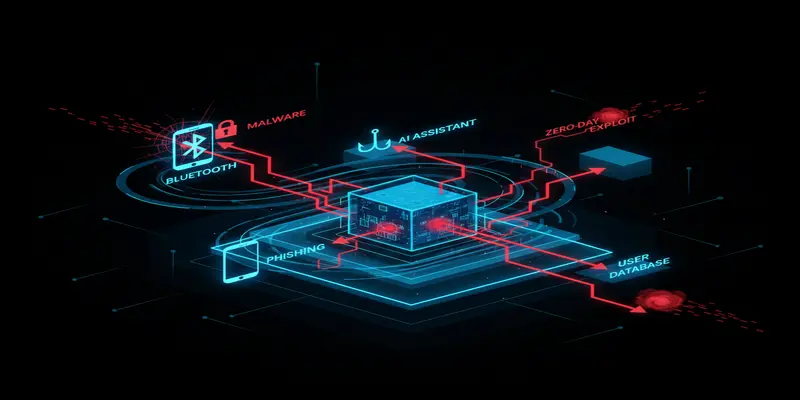
Malwarebytes’ latest roundup showcases an escalating threat landscape involving Bluetooth exploits, phishing on LinkedIn, and hidden remote backdoors.

Anomalous battery efficiency in HP's mid-tier OmniBook 5 raises strategic questions for CISOs managing device fleets and remote productivity reliability.
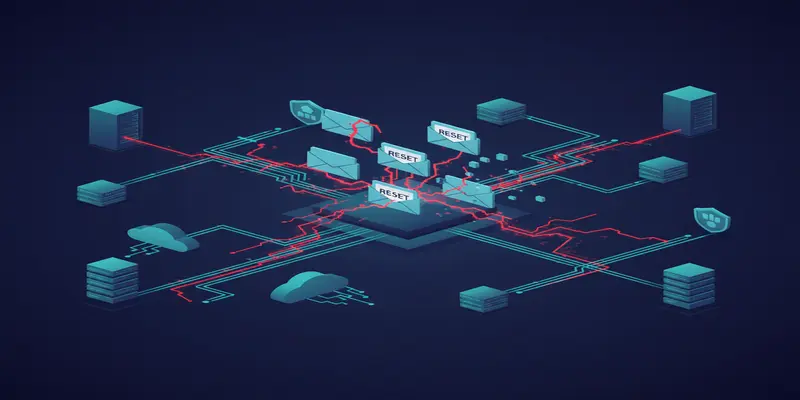
A recent surge in Instagram password reset emails coincided with a leak of 17M user records. CISOs must act fast to assess data exposure and social engineering risk.
A sophisticated fake WinRAR campaign hides malware behind a genuine-looking installer. CISOs must assess exposure to malicious file download vectors.

LG’s latest laptops introduce an in-house ultralight material called Aerominum. CISOs should evaluate the durability, data handling, and potential risks of these emerging endpoints.
A critical flaw in Unisoc's SoC enables remote code execution via vehicle modems. CISOs must assess risks in modern connected fleets immediately.

CVE-2025-55182, a critical deserialization flaw in React Server Components, is now exploited by DPRK and China-linked threat actors. CISO action required.
Browse the latest cybersecurity incidents and threat intelligence by topic.
Threat intelligence is the foundation of proactive cybersecurity defense.
View ArticlesArtificial intelligence is reshaping both offensive and defensive cybersecurity.
View ArticlesPhishing remains the most common initial access vector in cyber attacks.
View ArticlesRansomware attacks continue to be one of the most disruptive cyber threats facing organizations worldwide.
View ArticlesZero-day vulnerabilities represent the most dangerous class of security flaws because no patches exist at the time of discovery.
View ArticlesAs organizations accelerate cloud adoption, new attack surfaces emerge across AWS, Azure, Google Cloud, and SaaS platforms.
View ArticlesData breaches expose sensitive information and erode customer trust.
View ArticlesMalware continues to evolve with increasingly sophisticated evasion techniques and delivery mechanisms.
View Articles